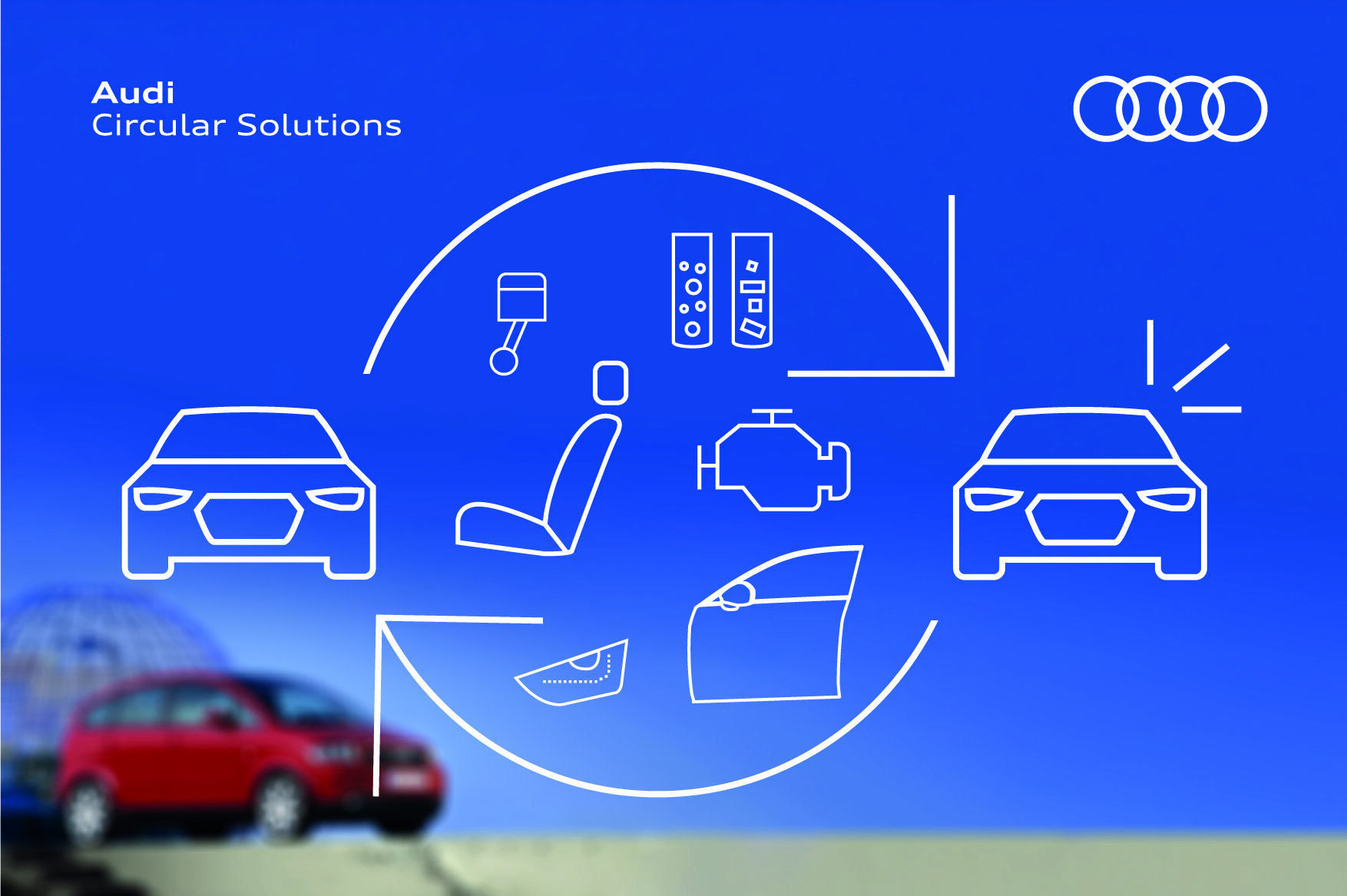
AUDI AG is establishing Audi Circular Solutions GmbH, a new subsidiary that will build a new line of business. The subsidiary covers the end of a vehicle’s life cycle. It combines the purchase of used vehicles and components, vehicle dismantling, the sale of used parts, and access to recycled raw materials for the Audi supply chain. With this end-to-end approach, Audi aims to turn the circular economy into a business model, offer customers a compelling range of used parts, and secure access to recycled raw materials.
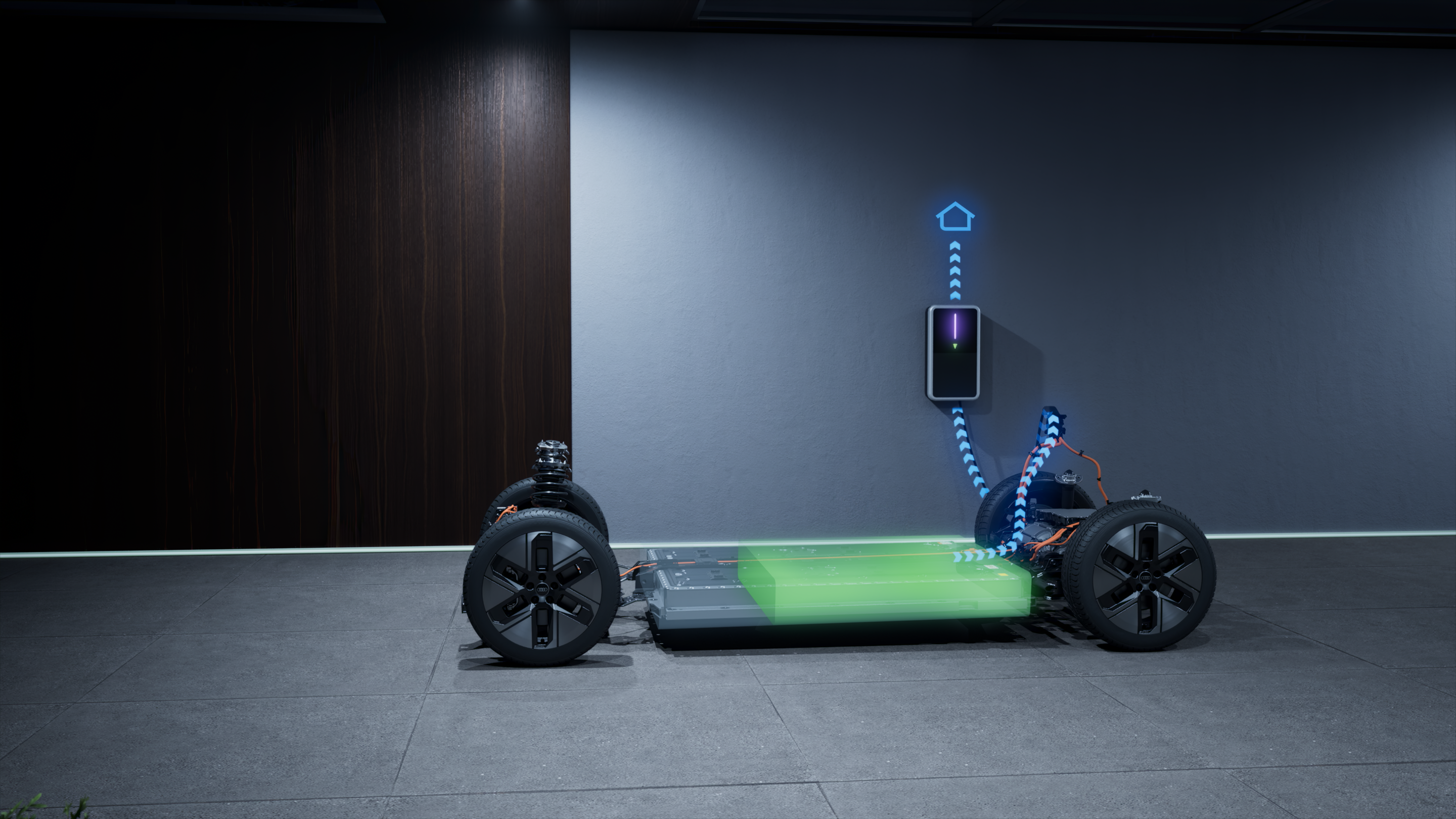
The high-voltage battery of an electric car can not only provide the energy for driving, but can also be used specifically as a power source beyond the road. With bidirectional charging functions, the Audi A2 e-tron enables external devices to be supplied via Vehicle-to-Load (V2L) and the use of stored energy in the household via Vehicle-to-Home (V2H). In the future, Vehicle-to-Grid (V2G) will be added for feeding energy back into the public power grid.
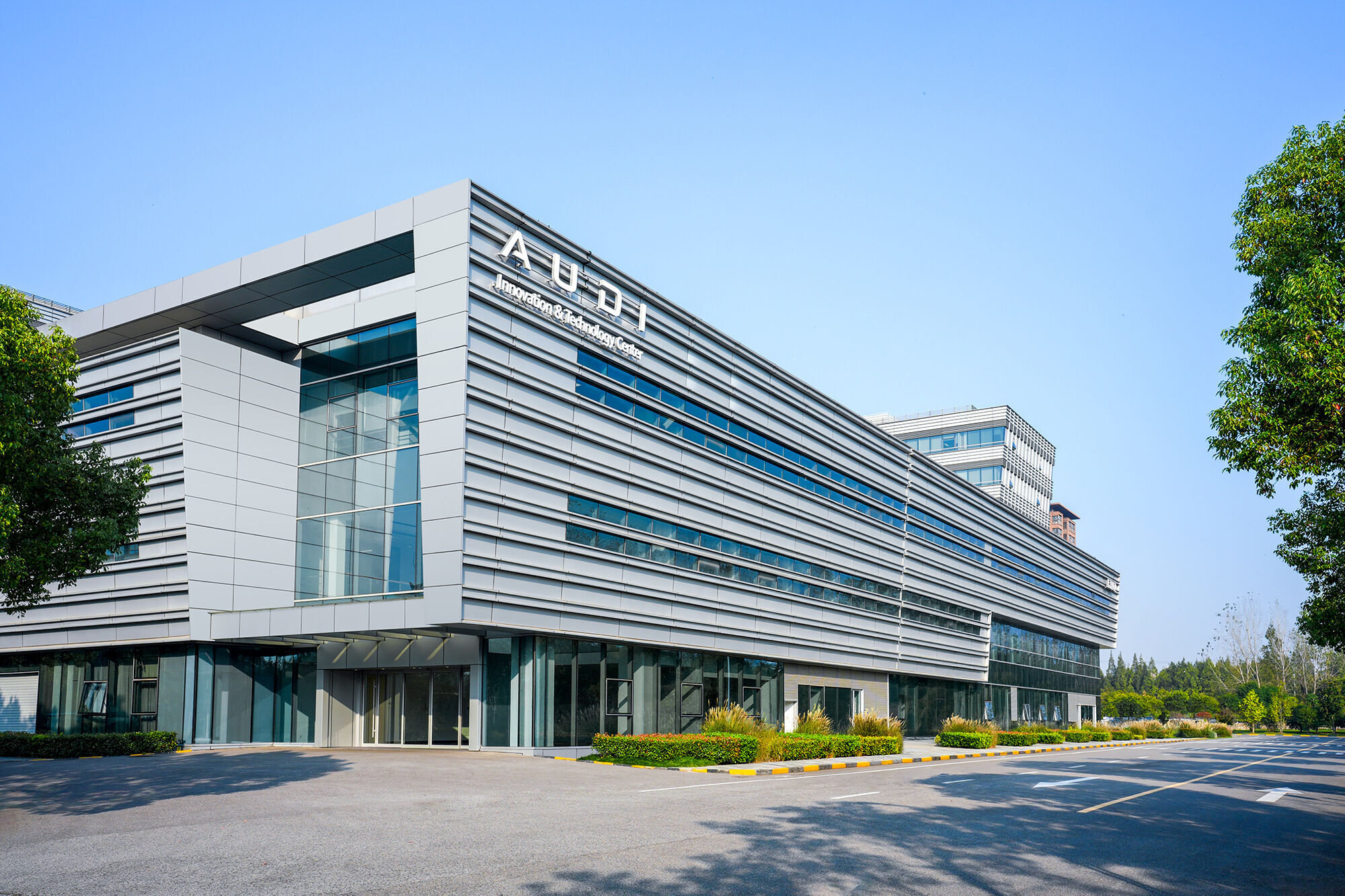
Audi is further expanding its local development and innovation capabilities in China. Together with its partner SAIC, the company is opening the new “AUDI Innovation & Technology Center” (AITC) in Shanghai. As the central development hub for the China-exclusive AUDI brand, the AITC is steering the development of future models – from initial vehicle concept through to series production readiness. Around 300 employees will combine Audi’s global engineering expertise with the innovative strength of China’s technology ecosystem. The goal: shorter development cycles, an even sharper focus on the needs of Chinese customers and greater competitiveness in the world’s largest automotive market.
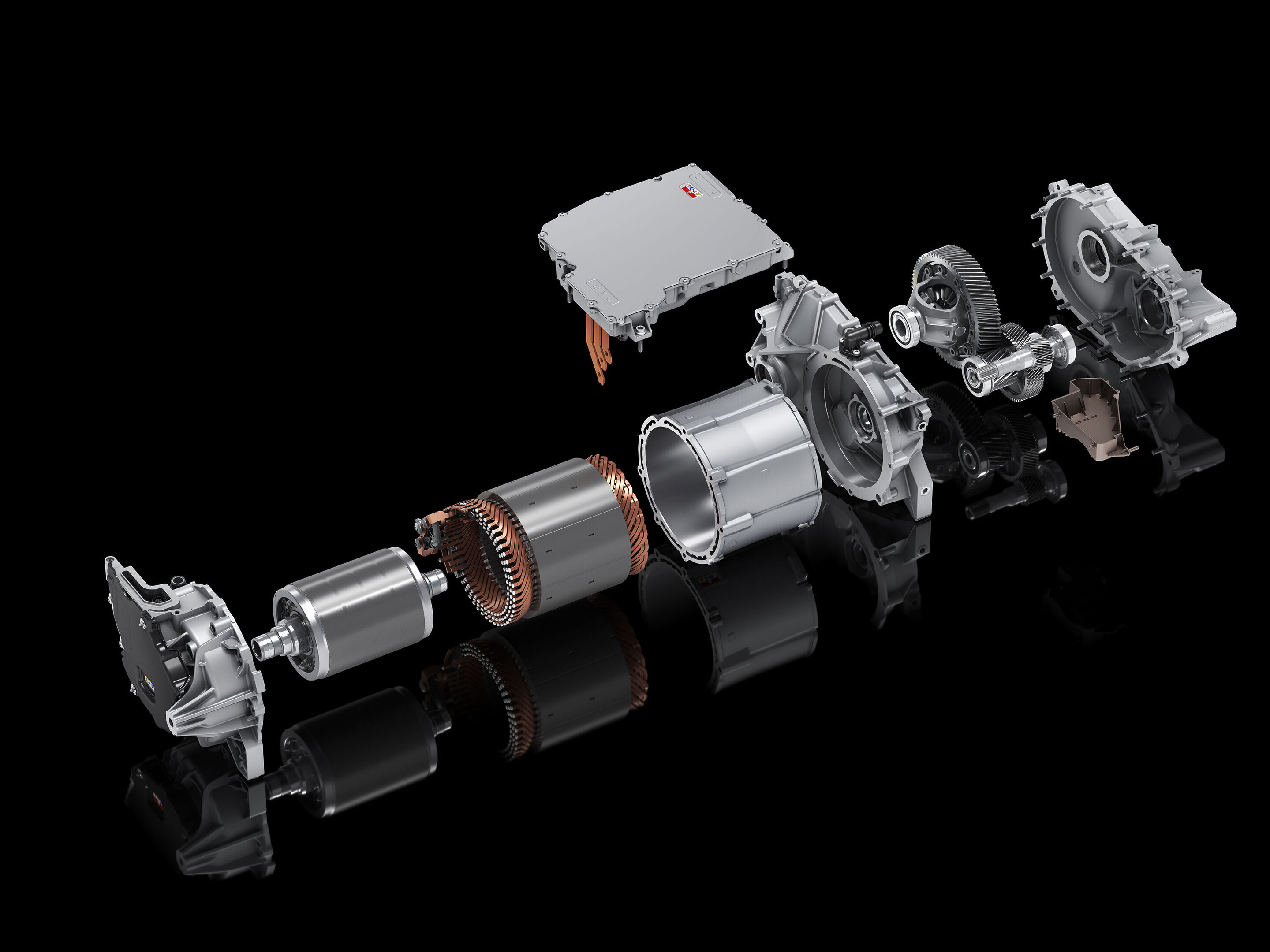
The new Audi A2 e-tron is the most efficient Audi ever. Numerous development measures contribute to this. Alongside aerodynamics and battery technology, the further developed drive technology plays a decisive role. Improvements to the power electronics, the electric motor, and the transmission complement one another in the new electric compact model from Audi. The result: Customers benefit from low consumption, long range, and pleasant acoustics.
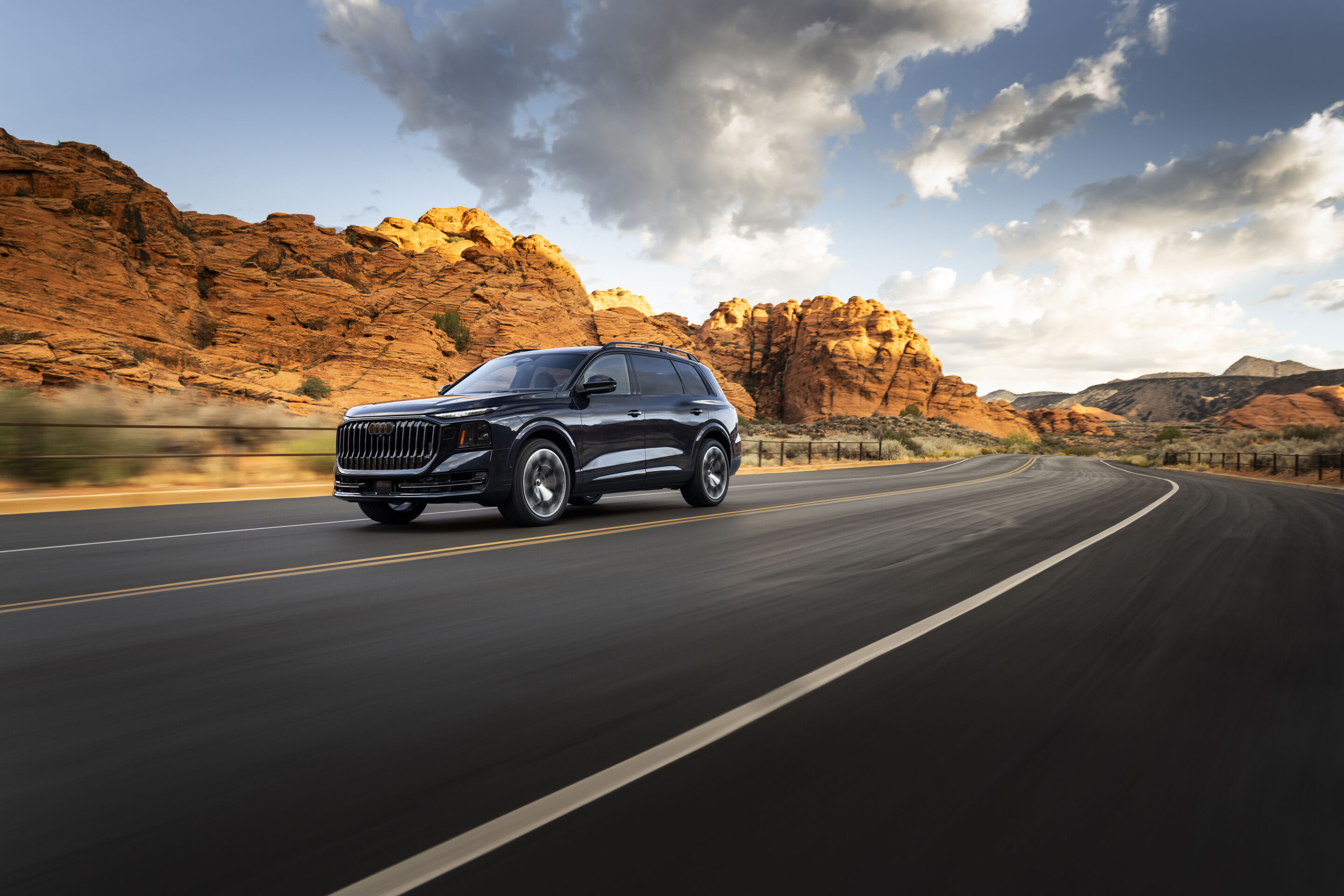
A challenging economic environment impacted the Audi Group’s financial performance in the first nine months of the year. Against the backdrop of markedly tougher and more competitive market conditions, particularly since the third quarter, Audi is consistently implementing targeted measures: investments are being channeled into future areas, costs and complexity are being further reduced, and efficiency is being significantly increased at all sites. At the same time, the company continues to renew its model range: starting in November, the Audi Q9 will be available as a new model series at the top of the portfolio. In December, the market launch of the fully electric compact model A2 e-tron begins in Europe.
Thomas Fuhr will become CEO of Audi Formula Racing GmbH starting on November 1. Based in Neuburg an der Donau, Germany, the company develops and manufactures the power unit for Audi’s Formula 1 project.
Audi is planning its own production site in the United States to strengthen its long-term competitiveness. The public appearance with the U.S. President has raised questions. The company provides context on the decision and the approach taken.
Audi is taking a major step in its global growth strategy with plans to establish its first U.S. production site in Georgia. The company intends to invest around $4 billion and create approximately 4,500 jobs. Construction of the plant, designed for an annual production capacity of up to 200,000 vehicles, is scheduled to begin in 2027, with production planned to start in the early 2030s. With premium SUVs tailored to North American customers and manufactured locally, Audi aims to unlock significant growth potential in one of the world’s most important premium markets. The planned investment intends to mark a long-term commitment to the United States and to establish North America as a third major pillar of Audi's global production network alongside Europe and China.
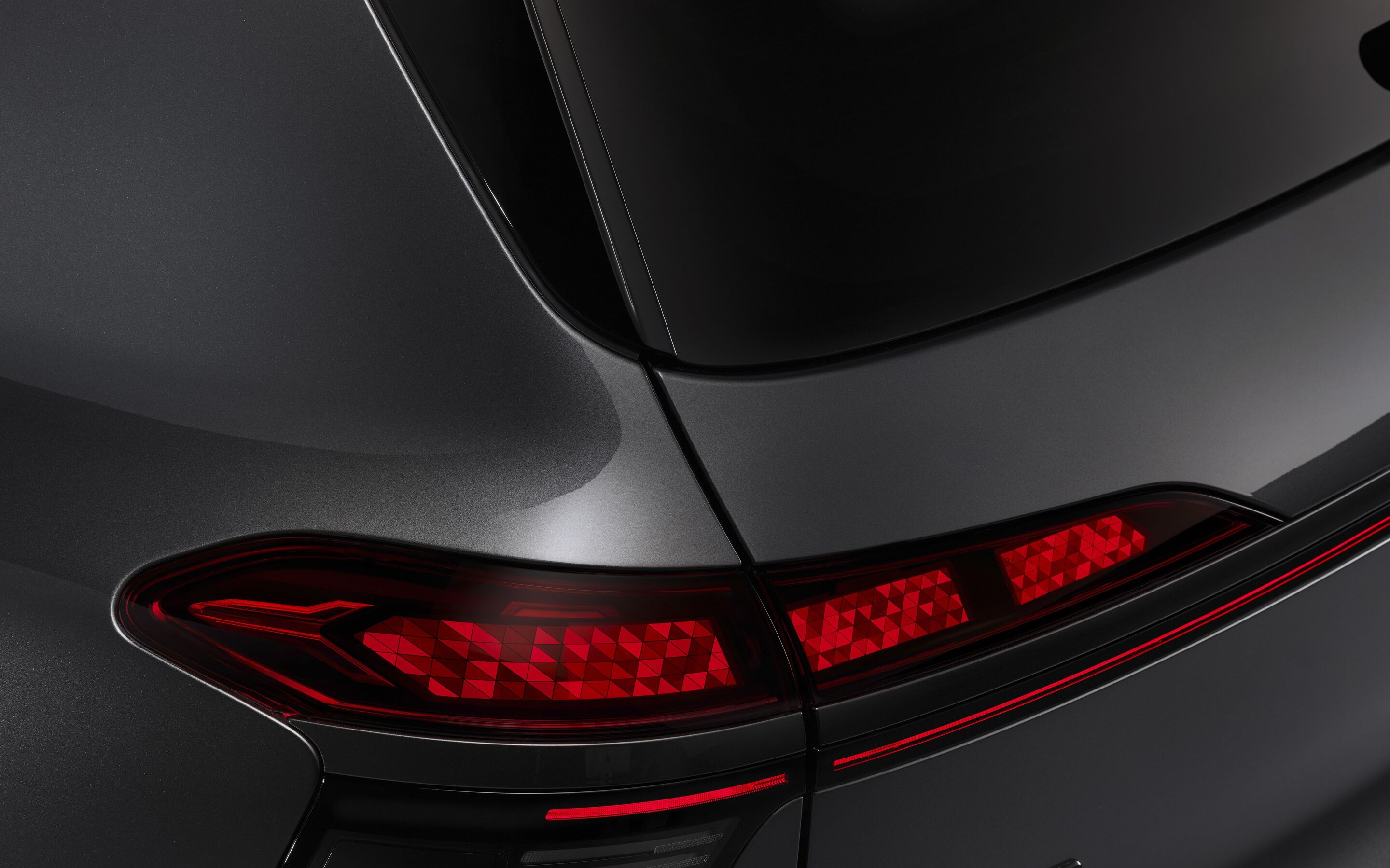
The new Audi Q9 marks the production debut of a technological world first: for the first time in the automotive industry, a three-dimensionally curved digital OLED panel is being used. Third-generation digital OLED technology now offers new possibilities for safety and communication. The Audi Q9 thus marks a milestone in the development of Audi lighting technology, whose OLED success story began ten years ago. As the only automotive manufacturer to consistently advance OLED technology, Audi has transformed it from an innovative light source into an intelligent, digital means of communication.
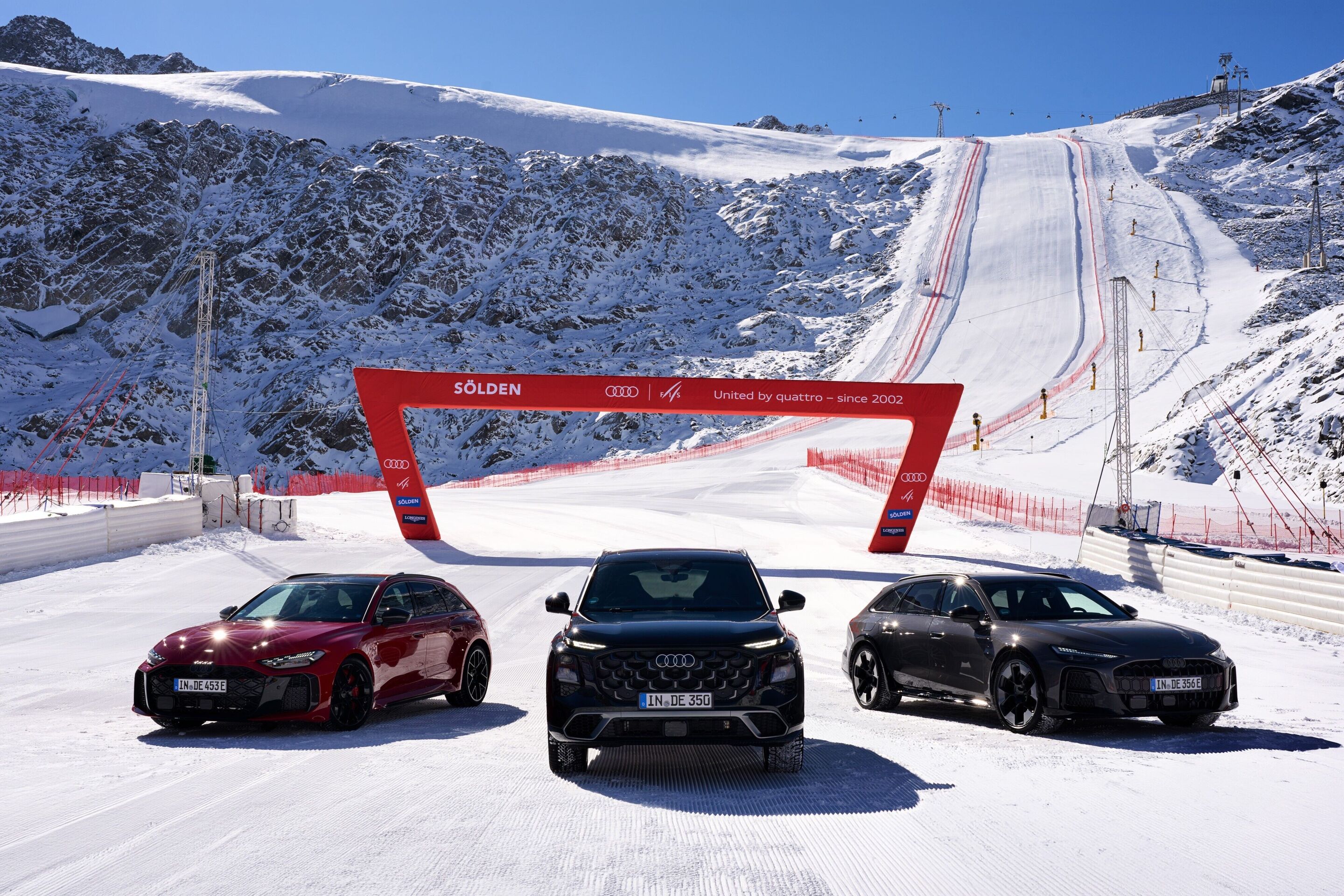
Audi is continuing its collaboration with the International Ski and Snowboard Federation (FIS) as the exclusive automotive partner through the end of the 2029/2030 season. At the same time, the company is expanding its commitment to the German Ski Association (DSV) and, starting with the 2026/27 season, is also supporting biathlon for the first time.